Indoor Plant Care FAQ: Common Questions Every Plant Lover Asks
Indoor plants have become extremely popular because they improve air quality, reduce stress, and make homes look beautiful. Whether you are a beginner or a plant lover, you probably have many questions about indoor plant care.
In this FAQ guide, we answer the most common questions about indoor plants to help you grow healthy and thriving plants in your home.


Indoor plants are plants that can grow inside homes, offices, or other indoor spaces with limited sunlight. These plants are specially suited for indoor environments and require less direct sunlight than outdoor plants.
Popular indoor plants include:
-
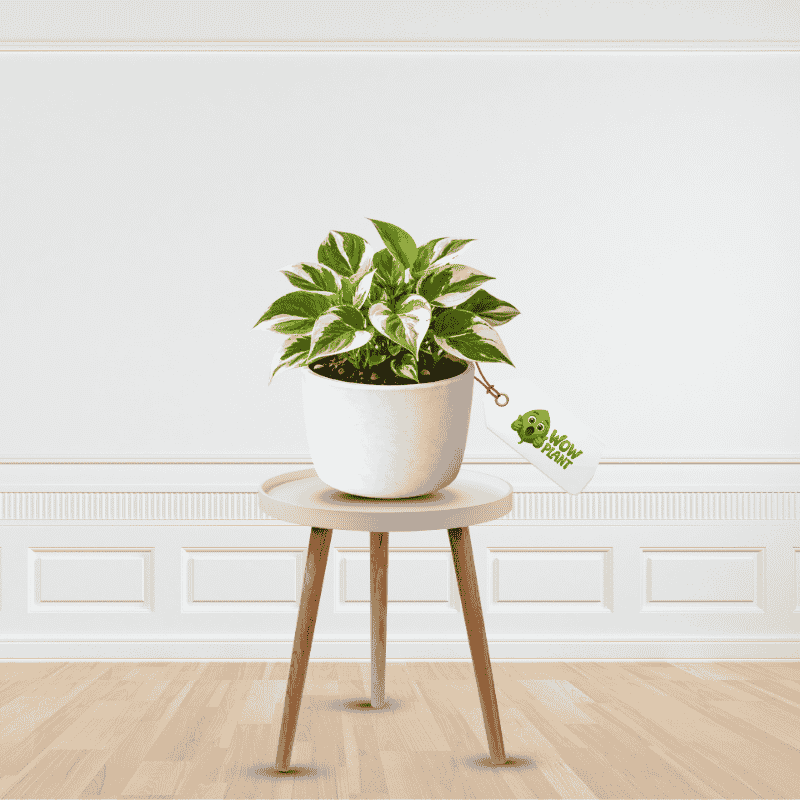
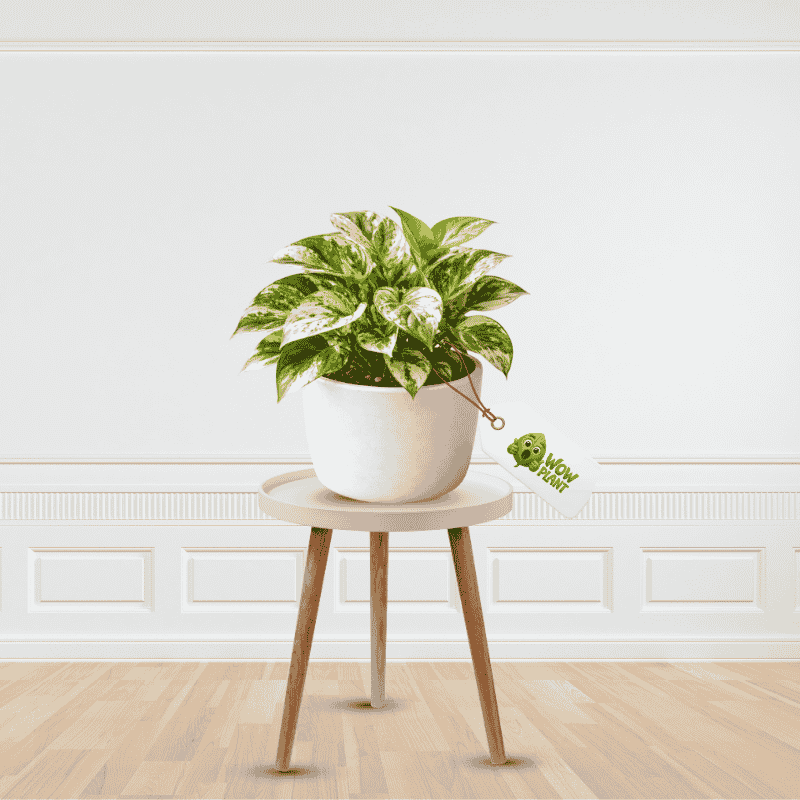
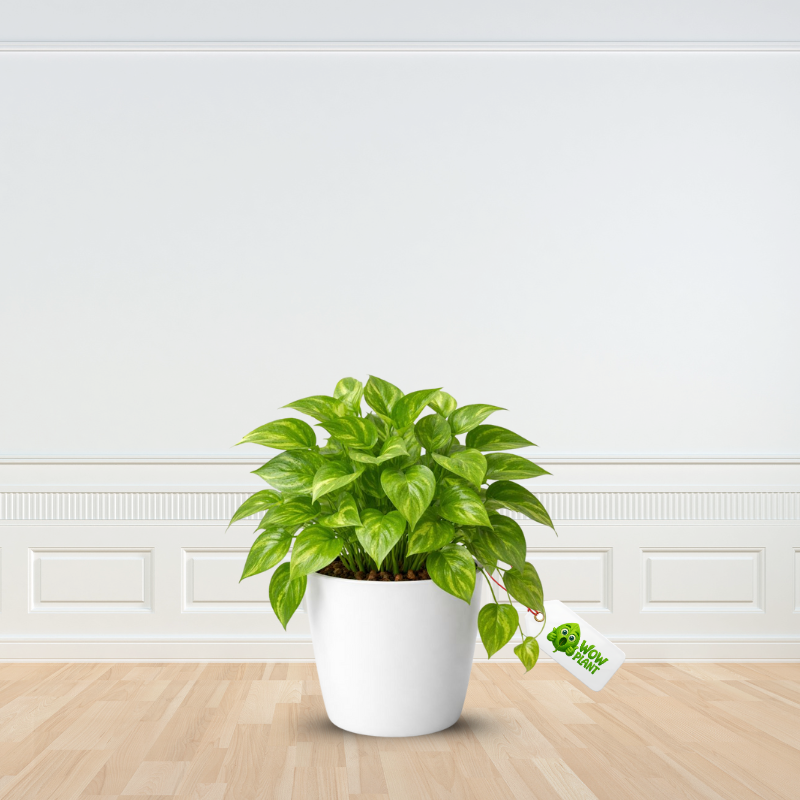
Money Plant
-
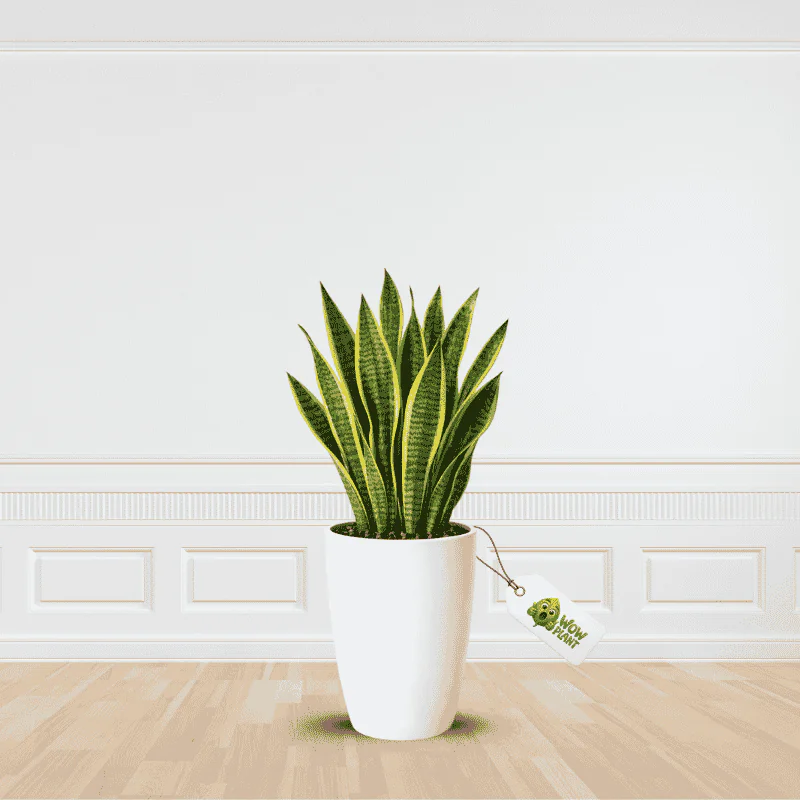
Snake Plant
-
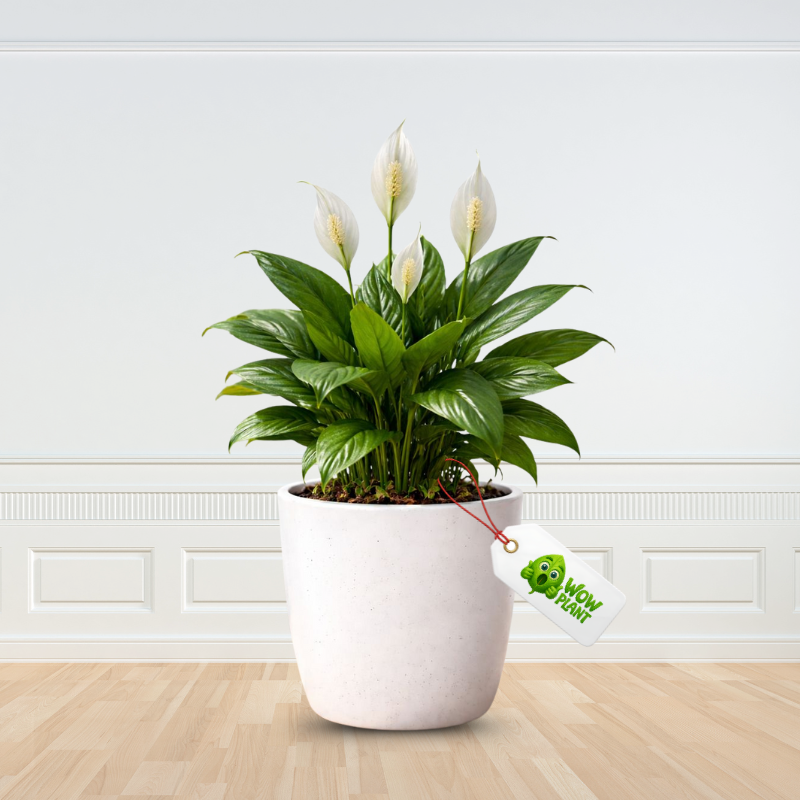
Peace Lily
-
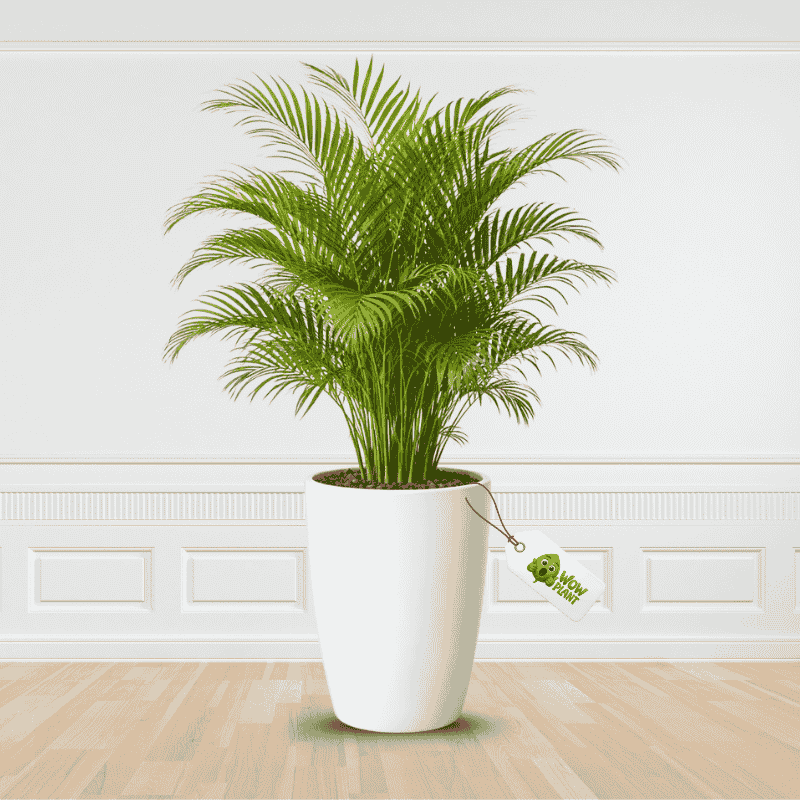
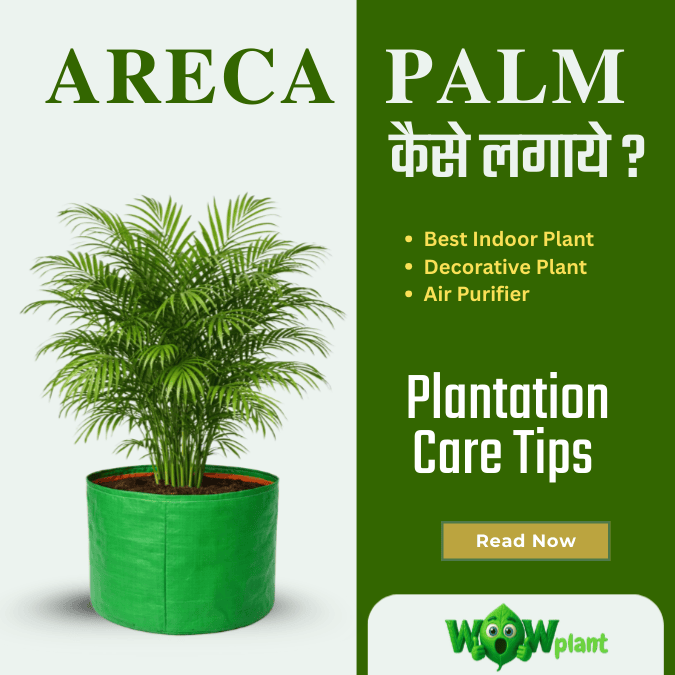
Areca Palm
-
Spider Plant
They are easy to maintain and perfect for decorating living rooms, bedrooms, and offices.
If you are new to gardening, start with low-maintenance indoor plants.
Best indoor plants for beginners:
• Money Plant
• Snake Plant
• ZZ Plant
• Spider Plant
• Aloe Vera
These plants require less water and can survive in low light conditions.
Overwatering is the most common mistake people make.
General watering rule:
• Water only when the top 1–2 inches of soil feels dry
• Most indoor plants need water once every 5–7 days
• In winter, water less frequently
Always make sure the pot has proper drainage holes.
Yes, indoor plants still need sunlight, but most do not require direct sunlight.
Types of light indoor plants need:
• Low light: Snake Plant, ZZ Plant
• Medium light: Money Plant, Spider Plant
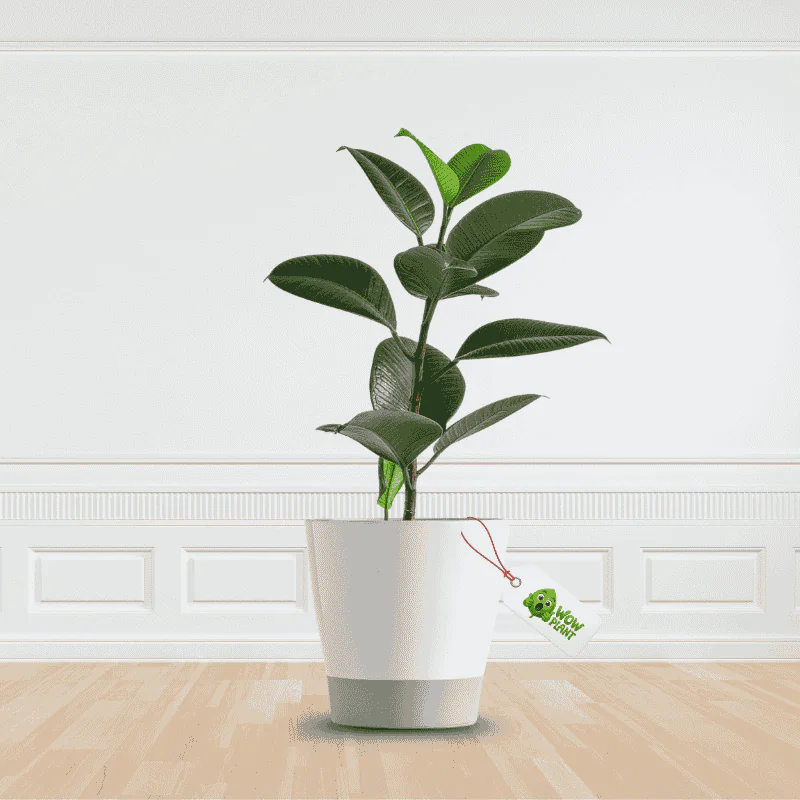
• Bright indirect light: Peace Lily, Rubber Plant
Place plants near windows or balconies where indirect sunlight is available.

Some indoor plants are known for their air-purifying properties.
Best air-purifying indoor plants:
• Snake Plant
• Peace Lily
• Areca Palm
• Spider Plant
• Aloe Vera
These plants help remove toxins and improve indoor air quality.
Yellow leaves are usually caused by one of these problems:
• Overwatering
• Poor drainage
• Lack of sunlight
• Nutrient deficiency
Check soil moisture and make sure the plant is receiving enough indirect sunlight.
Indoor plants grow best in well-draining potting mix.
A good soil mix should contain:
• Garden soil
• Cocopeat
• Vermicompost
This combination provides nutrients while allowing proper drainage.
Yes, indoor plants benefit from regular feeding.
Best fertilizers for indoor plants:
• Vermicompost
• Organic liquid fertilizer
• Seaweed fertilizer
Fertilize once every 15–30 days during the growing season.
Plants cannot survive in complete darkness, but some can tolerate very low light.
Examples include:
• Snake Plant
• ZZ Plant
• Lucky Bamboo
These plants can grow under artificial light or low indoor lighting.
Ideal places for indoor plants include:
• Near windows
• Living room corners
• Balcony areas
• Office desks
Avoid placing plants directly under harsh sunlight or near AC vents.
Indoor plants are a great way to bring nature inside your home. With proper watering, sunlight, and occasional fertilizer, anyone can grow beautiful indoor plants.
If you are just starting your indoor gardening journey, begin with easy plants like Money Plant, Snake Plant, and Spider Plant.
Adding greenery to your home not only improves aesthetics but also creates a calm and healthy environment.