
Top 10 House Plant in India for Healthy & Green Homes
In the last few years, Indian homes have changed a lot. People now live in apartments, work from home, and spend most of their time indoors. Because of pollution, stress, and busy lifestyles, many people are now turning towards greenery inside their homes. This is where a house plant plays a very important role.
A house plant not only makes your home look beautiful but also helps improve air quality, reduce stress, and bring positivity. In India, where weather conditions vary from region to region, choosing the right indoor plant becomes very important.
In this blog you will learn about following topic :
What Makes a Good Indoor Plant for Indian Homes?
Before choosing any plant, it is important to understand what makes a plant suitable for indoor Indian conditions. A good house plant should:
Survive in indirect sunlight
Require low to medium watering
Tolerate Indian temperature changes
Grow well in pots or grow bags
Need low maintenance
Keeping these points in mind, let’s move ahead and discover the best options.
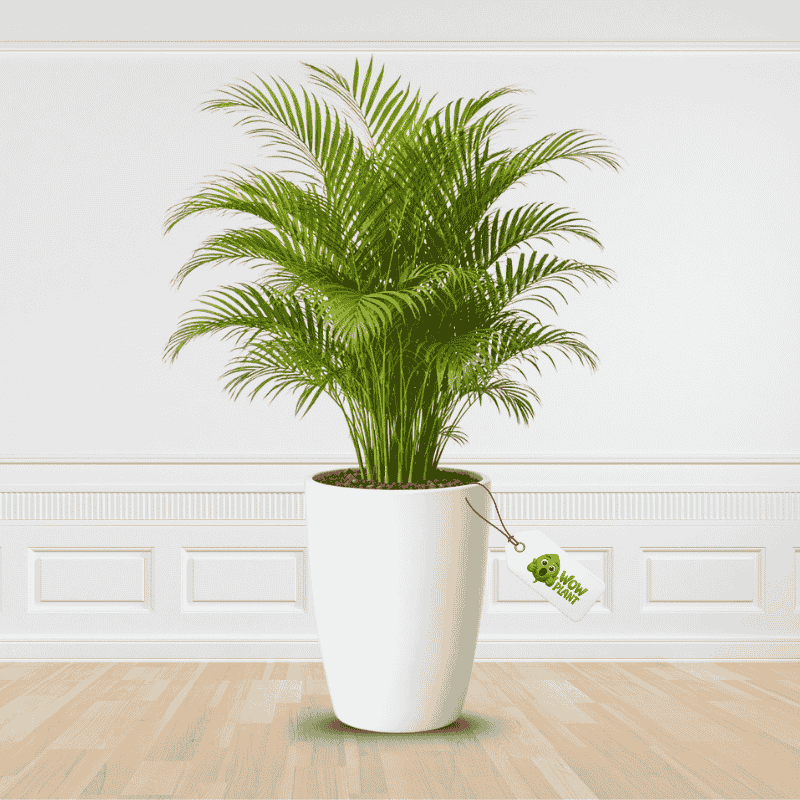
1. Areca Palm – The Most Loved Indoor Green
Areca Palm is one of the most popular indoor plants in India. Its long, feather-like leaves give a fresh and luxury feel to any room. It is commonly placed in living rooms and offices.
Why Indians Love Areca Palm:
Improves indoor air quality
Adds humidity to dry air
Looks elegant and premium
Care is simple: bright indirect light, moderate watering, and regular leaf cleaning.
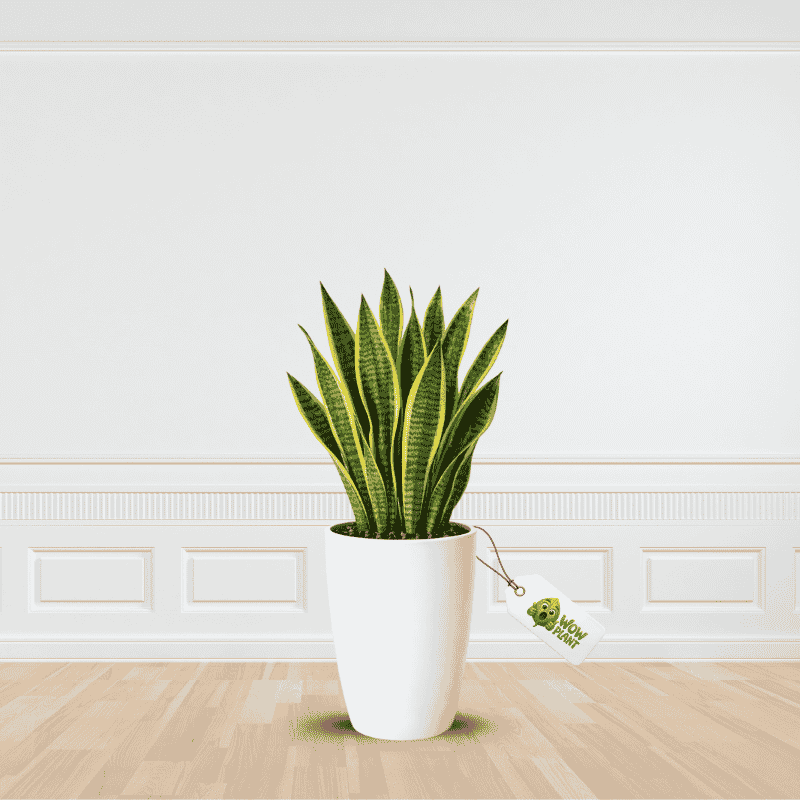
2. Snake Plant – Perfect for Beginners
Snake Plant is known for its strong nature and low maintenance needs. It can survive in low light and needs very little water.
Benefits:
Releases oxygen even at night
Requires minimal care
Perfect for bedrooms
If you are someone who forgets to water plants, Snake Plant is ideal for you.
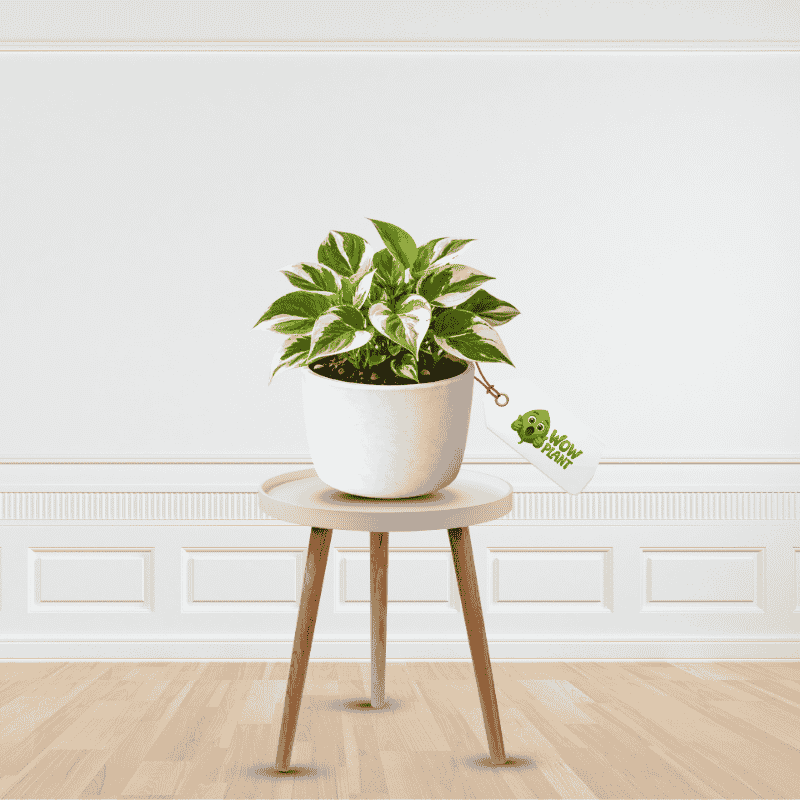
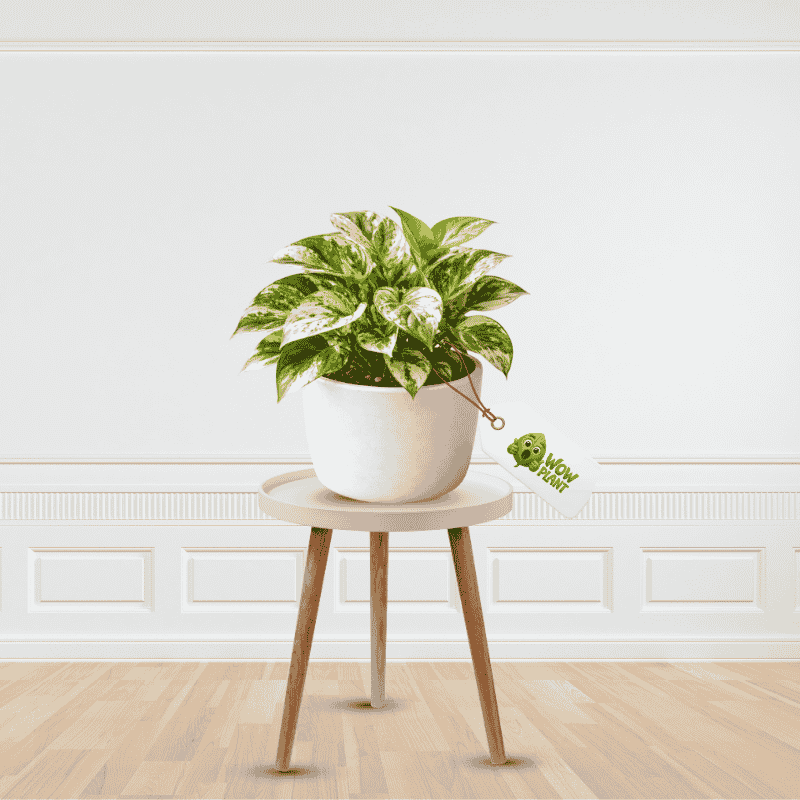
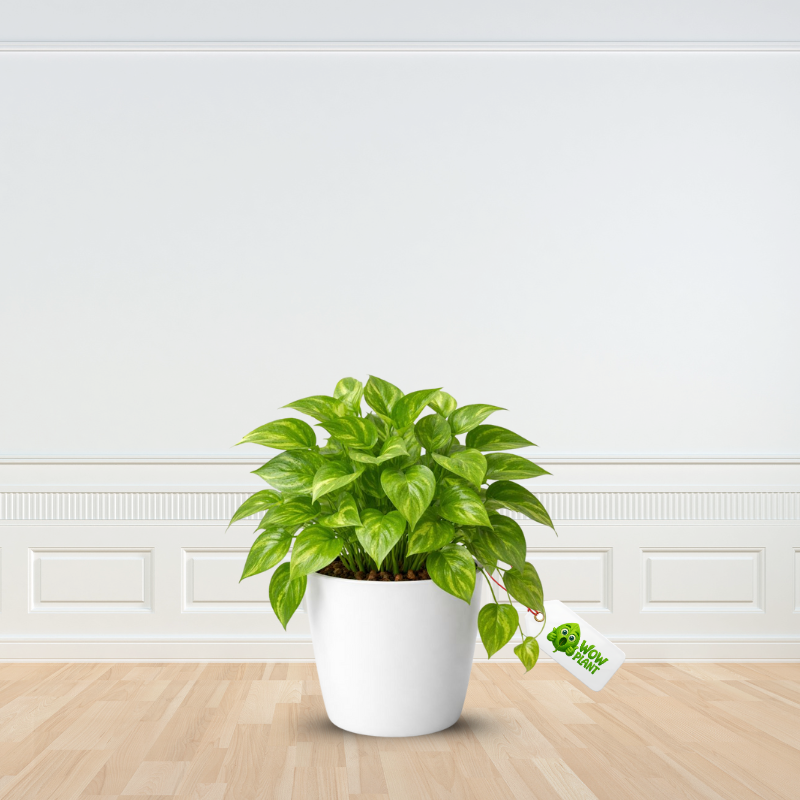
3. Money Plant – Budget Friendly & Positive
Money Plant is almost found in every Indian home. It is believed to bring prosperity (समृद्धि) and positive energy.
Why Choose Money Plant:
Grows in water or soil
Easy to propagate
Improves indoor air
It can be placed on shelves, hanging pots, or even in glass bottles.
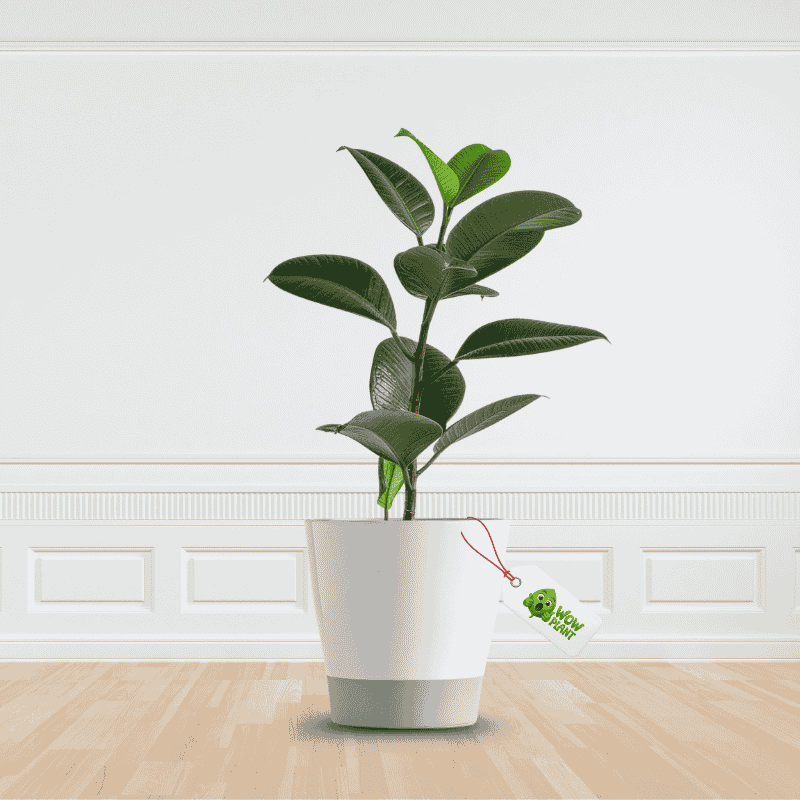
4. Rubber Plant – Stylish & Modern
Rubber Plant has big, glossy leaves that give a modern interior look. It is often used in contemporary home décor.
Key Features:
Absorbs indoor pollutants
Needs indirect sunlight
Low watering requirement
It works well in living rooms and office spaces.
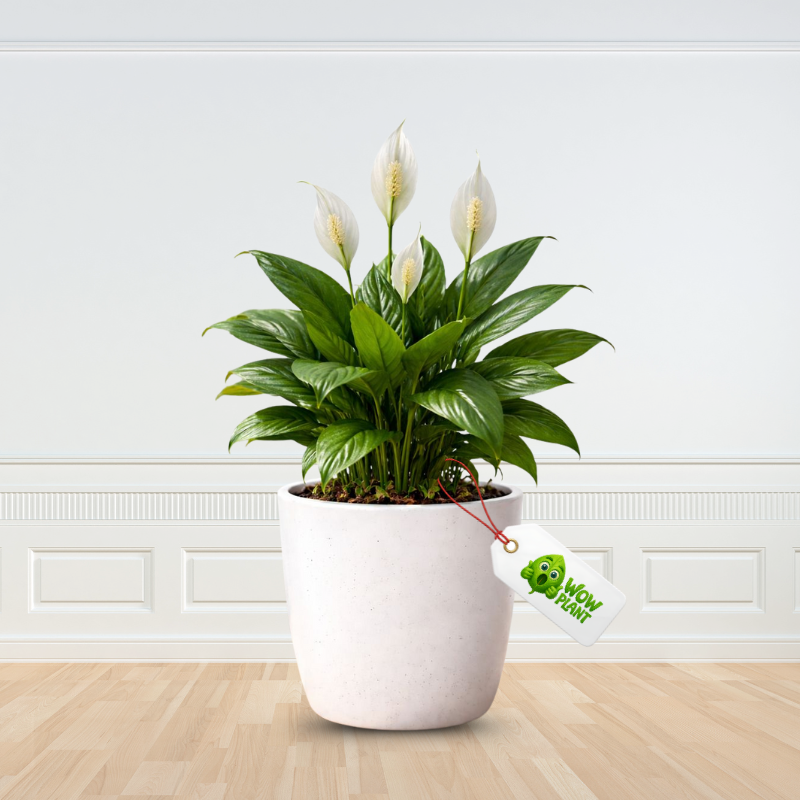
5. Peace Lily – Beauty with Purpose
Peace Lily is known for its white flowers and air-purifying qualities. It adds both beauty and freshness to indoor spaces.
Why It’s Special:
Removes toxins from air
Grows well in shade
Indicates watering needs by drooping leaves
This plant is ideal for people who want flowers indoors.
Why Choosing the Right Indoor Plant Matters
Every home is different, and so are its lighting and space conditions. Choosing the right house plant ensures long life, healthy growth, and less effort. Wrong plant selection often leads to yellow leaves, slow growth, and frustration.
6. Aloe Vera – Useful & Healing
Aloe Vera is not just a plant, it’s a natural medicine. From skincare to health benefits, this plant has multiple uses.
Benefits:
Requires very little water
Grows well in sunlight
Gel used for skin and hair care
It is perfect for kitchen windows or balconies.
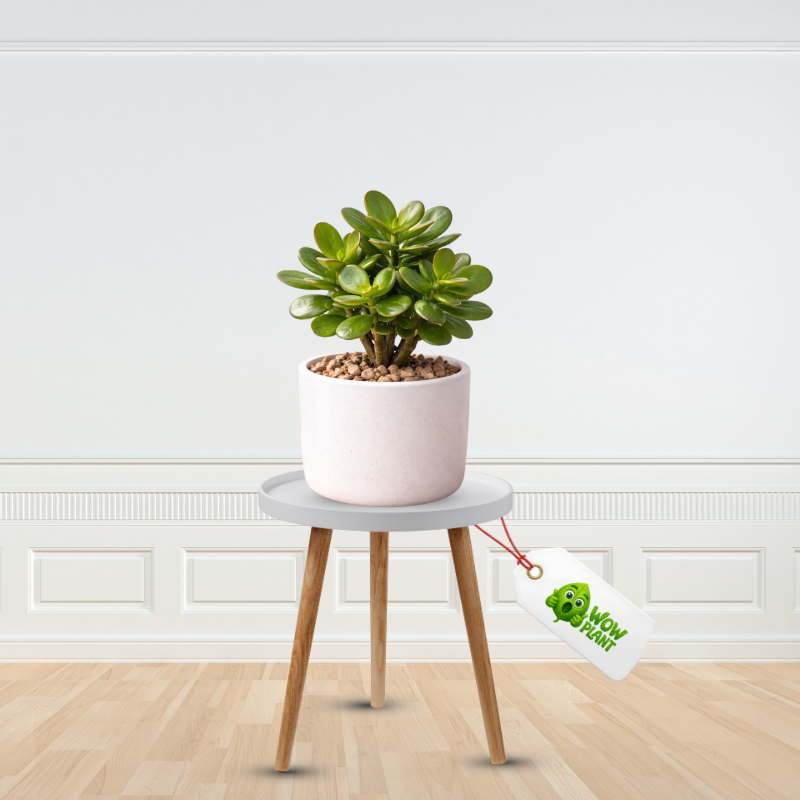
7. Jade Plant – Small Plant, Big Charm
Jade Plant is a succulent with thick, round leaves. It is often associated with good luck and financial growth.
Why Jade Plant is Popular:
Needs minimal watering
Grows slowly and neatly
Ideal for work desks
It is a great choice for small apartments.
8. Spider Plant – Air Cleaner for Small Spaces
Spider Plant is known for its arching leaves and baby plantlets. It grows well in hanging baskets.
Advantages:
Easy to grow
Good for air purification
Safe for pets
This plant works well in bedrooms and study rooms.
9. ZZ Plant – Strong & Stylish
ZZ Plant is perfect for modern homes and offices. It has shiny leaves and survives in low light.
Key Points:
Extremely low maintenance
Requires less water
Ideal for busy people
It is often used in corporate offices due to its tough nature.
10. Tulsi – Traditional Yet Powerful
Tulsi is deeply rooted in Indian culture. Apart from religious importance, it has strong medicinal properties.
Benefits:
Improves air quality
Boosts immunity
Easy to grow in pots
Tulsi connects tradition with health and nature.
How to Take Care of Indoor Plants Easily
Caring for a house plant is not difficult if you follow some basic rules:
Do not overwater
Ensure proper drainage
Clean leaves regularly
Avoid direct harsh sunlight
Use organic compost
Following these steps will keep your plants healthy and green.
Common Mistakes Indian Households Make
Many people make small mistakes like:
Watering daily
Keeping plants in dark corners
Using heavy soil
Avoiding these mistakes can double the life of your indoor plants.
Best Rooms to Place Indoor Plants
Each house plant has a preferred spot:
Living Room: Areca Palm, Rubber Plant
Bedroom: Snake Plant, Spider Plant
Kitchen: Aloe Vera, Tulsi
Study Room: Jade Plant, ZZ Plant
Correct placement helps plants grow better.
Seasonal Care Tips for Indian Climate
Summer:
Water slightly more
Avoid direct afternoon sunlight
Winter:
Reduce watering
Place plants near windows
Season-wise care helps plants survive all year round.
Indoor Plants vs Artificial Plants
While artificial plants look good, a real house plant offers health benefits, fresh air, and emotional satisfaction that fake plants cannot provide.
Why Indoor Plants Are a Smart Investment
Indoor plants are:
Affordable
Long-lasting
Good for health
Great for décor
One good house plant can transform the entire vibe of your home.
Tips for First-Time Plant Buyers
If you are buying your first house plant, start with low-maintenance options like Snake Plant or Money Plant. Learn slowly and build confidence.
Indoor Plants and Indian Lifestyle
In Indian culture, a house plant is not just décor. It represents life, growth, and positivity. From Tulsi in courtyards to Money Plant in apartments, plants have always been part of Indian homes.